Turn One Hour Into Adventure: Build a Lunchtime Urban Quest

Step outside at noon and return glowing by one. Today we dive into designing 60-minute urban quests you can do on your lunch break, built for real sidewalks, shifting crowds, and joyful discoveries. Expect brisk, practical guidance, playful puzzles, and stories from quick tests around busy blocks, where murals, clock towers, and café receipts become checkpoints. With smart pacing, safety-first choices, and light tools, you will craft compact journeys that refresh focus, spark camaraderie, and fit comfortably between meetings without stress.

Define the Journey Within a Single Hour

Constraints create magic when the clock is strict. Shape a route that starts and ends within easy reach of your desk, embraces a comfortable walking radius, and leaves generous buffer time. A clean loop, minimal crossings, and intuitive wayfinding transform ordinary blocks into a confident, repeatable midday adventure.

01

Set Clear Boundaries and Buffers

Plan for a brisk forty five minutes of movement and fifteen minutes of buffer for elevators, crosswalk delays, or an unplanned photo. Assume average city walking speed, choose daylight friendly windows, and bake in a calm return margin so nobody sprints back to the keyboard.

02

Map a Loop That Rewards Curiosity

Loops reduce stress by avoiding hard turnarounds and distant finishes. Place checkpoints roughly one or two short city blocks apart, prioritize interesting corners over famous icons, and prefer wide sidewalks. Keep the start visible from the finish, easing late arrivals, quick handoffs, and celebratory endings.

03

Balance Pace With Moments of Delight

Design micro pauses that feel intentional rather than like traffic interruptions. A mural frame for a two breath reset, a fountain count that invites listening, or a bench riddle beside shade can slow the mind, protect energy, and heighten the thrill of moving again.

Design Clues That Fit City Rhythms

Good prompts read clearly at walking speed and reward careful noticing. Favor concrete actions, compact sentences, and verbs up front. Use landmarks resilient to change, like plaques, date stones, or permanent art, and include gentle hints that keep players moving forward rather than stalling under pressure.

Write for Speed and Clarity

Compose instructions that scan in a glance. Short lines, bold nouns, and single decisions per line reduce hesitation. Replace jargon with everyday language. When a detail matters, name it precisely, and provide one fallback clue so progress never depends on overheard staff or unpredictable signage.

Use the Environment as the Puzzle

Let existing textures carry the challenge. Count brass rivets on a bridge rail, match mosaic colors to letters, or trace a shadow line at noon. Avoid touching delicate surfaces. Design interactions that photograph well, leaving clear proof without blocking sidewalks or disrupting daily city life.
Navigate Safely and Inclusively
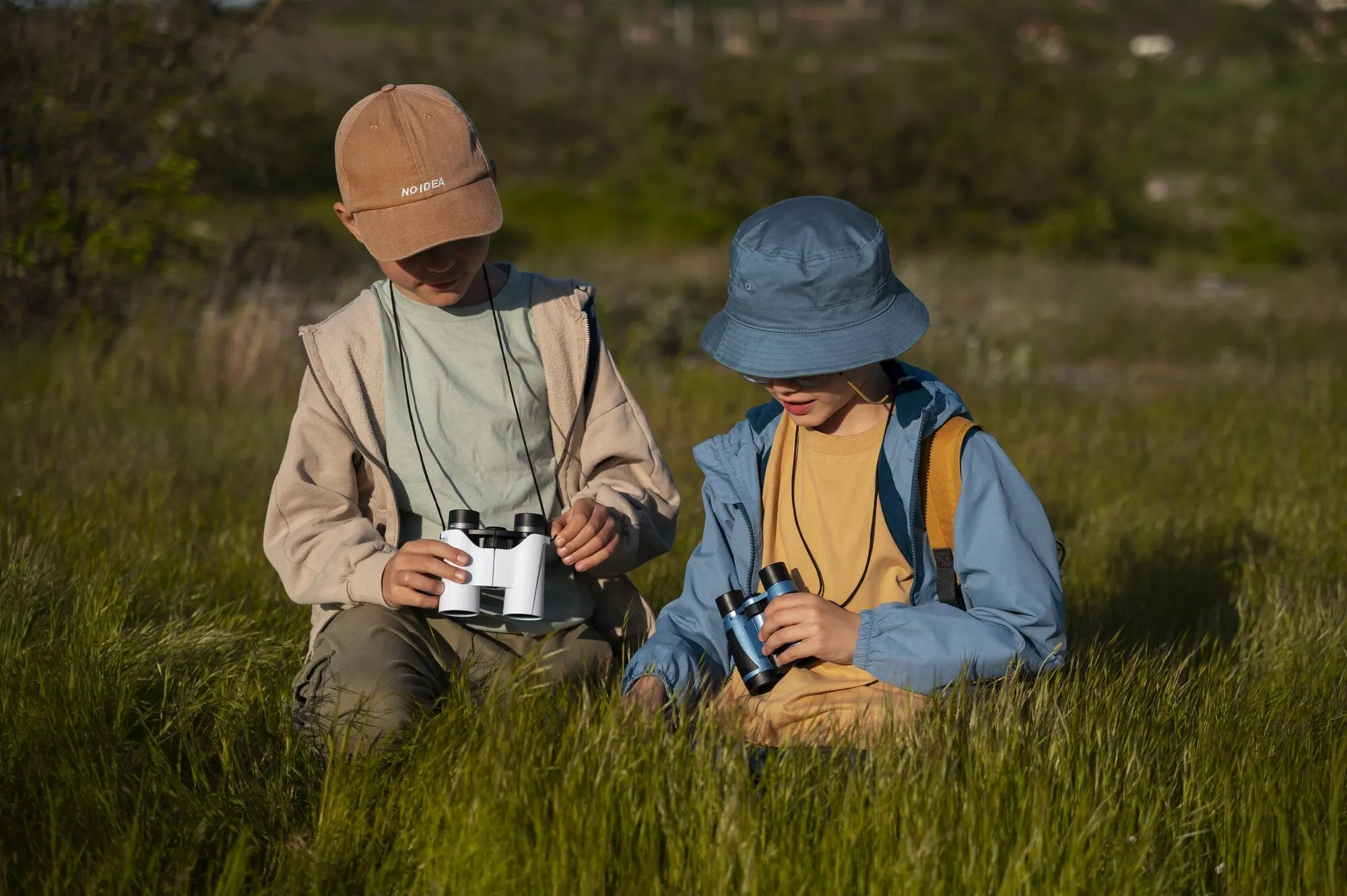
A joyful hour depends on thoughtful care. Prefer well lit blocks, predictable crossings, and step free access wherever possible. Provide restroom notes, water refill options, and weather contingencies. Frame the experience for solo explorers and small groups alike so everyone can participate comfortably and confidently.

Run a Solo Dry Run With Split Times

Walk the route at conversational pace, tapping lap every checkpoint. Note hesitation points, elevator waits, and crosswalk cycles. Record how long clues actually take to interpret. Those numbers anchor revisions better than guesses and reveal where a single extra sentence saves precious minutes.

Invite Colleagues for a Gentle Playtest
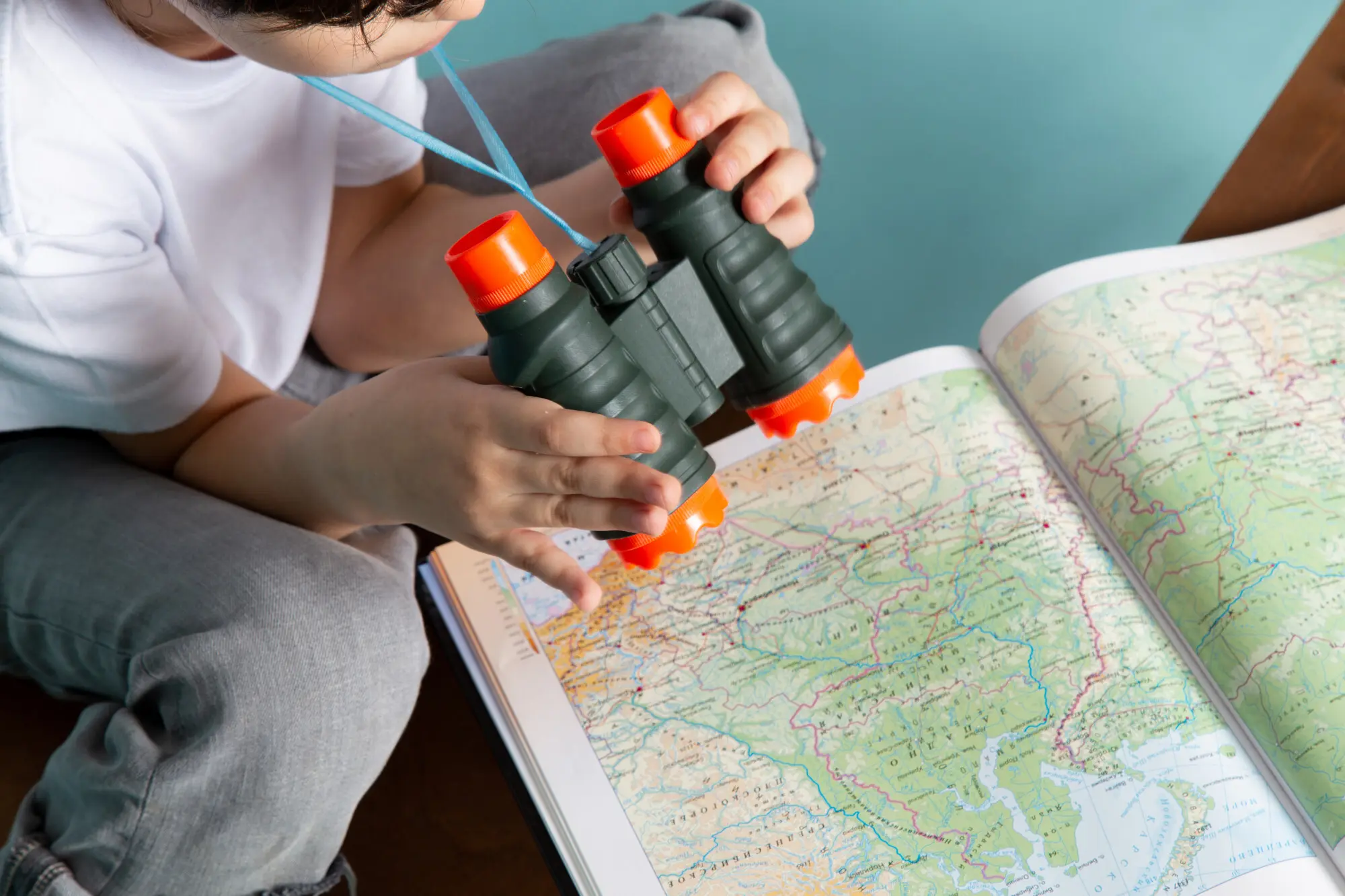
Choose two or three friendly testers with different familiarity levels. Let them read instructions cold while you stay mostly silent. Watch hands and eyes for confusion. Afterwards, debrief quickly over water, capturing quotes that explain friction, excitement, and the moments they wanted to take photos. Last Tuesday, Maya solved a misread plaque only after a gentle extra hint, teaching us to bold dates and trim adjectives.

Tighten Everything by Cutting and Sharpening
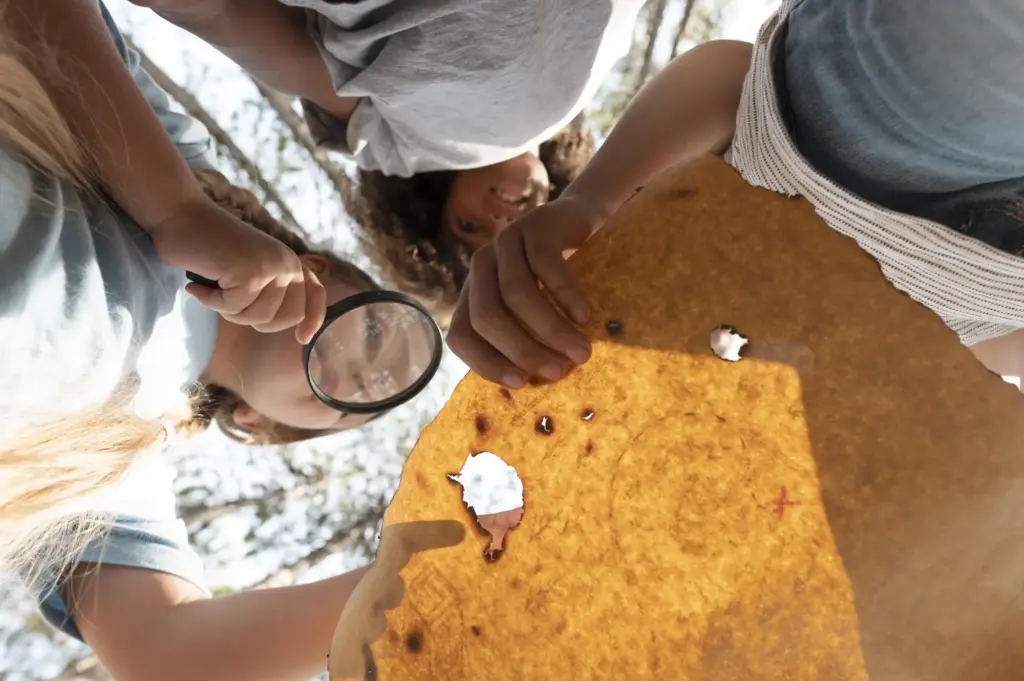
Ruthlessly remove the weakest stop, consolidate redundant instructions, and promote your strongest reveal to mid route. Shorten any clue that forces backtracking. Replace ambiguous references with verifiable details. Polishing usually means less text, clearer verbs, and one unforgettable image that anchors the memory of the hour.

Equip Players With Lightweight Tools

Your kit should be so simple it disappears. A single page brief, a mobile friendly map link, optional QR codes, and a pencil can carry everything. Add clear return time, emergency contact, and allergy notes. Comfort shoes, water, and sun protection quietly raise completion rates.

One Page Brief That Sparks Action

Fit the essentials on one sheet: purpose, start, finish, timebox, safety notes, and three delight hints. Use bold headers, generous spacing, and a checklist. Include a friendly line inviting feedback and photos, nudging participants to share discoveries and subscribe for fresh midday adventures.

Mobile First Maps and Checkpoints

Favor links that open instantly on common phones, with offline fallback screenshots. Mark checkpoints with short labels, not cluttered paragraphs. Provide a print option for low battery days. If you use QR codes, place them only on public notice boards or preexisting, permission friendly surfaces.

Photo Proofs and Gentle Scoring

Invite players to capture small, delightful confirmations rather than competitive trophies. A clock hand at twelve, a reflected word in a window, or a matching color swatch keeps energy playful. Use tie breakers like bonus smiles found, not speed, to keep lunchtime inclusive.

Weave Story and Local Flavor

Anchor the Quest in a Relatable Motive

Choose a purpose anyone can enjoy within an hour. Deliver a secret thank you to a barista, recover a lost blueprint through number riddles, or verify legends hidden in sidewalk stars. Connection beats lore depth, turning simple clues into shared memories worth repeating and refining.

Celebrate Landmarks Without Clichés

Skip the postcard view when possible and highlight overlooked craft. Spot a stonemason signature, decode a ventilation grate pattern, or trace rain chains beside a courtyard. Credit sources, including artists and historians, and invite players to send back micro facts you can fold into future routes.

Give the Finale a Satisfying Beat

Land gracefully with a small ritual and a friendly pause. A stamped receipt, a group selfie, or a sticker under a coffee lid lets completion feel tangible. Encourage comments, route ideas, and newsletter sign ups, building momentum for the next one hour adventure together.