Secrets in the Sidewalk: Decoding Everyday History
Today we set out on History in Plain Sight: Microadventures that Decode Local Landmarks and Plaques, turning ordinary walks into playful investigations. With curiosity as our compass, we’ll read inscriptions, symbols, and scars left on stone and metal, connecting overlooked corners to sweeping stories. Pack comfortable shoes, a notebook, and an open mind; the city is ready to whisper truths you can touch.

Reading the Street: Uncovering Clues on Plaques and Markers

Street plaques rarely shout; they murmur dates, initials, and civic emblems that reward patient readers. We’ll slow down to parse typography, iconography, and materials, noticing rivets, patinas, and replacement bolts. Each tiny detail can hint at sponsorship, conflict, or repair, unlocking narratives hiding beside postboxes, kerbs, building corners, and boundary stones.

Mapping Microadventures: Routes That Fit Between Errands

Short, intentional routes weave discovery into daily life. Design loops that start at your doorstep, link a handful of markers, then return before the kettle boils. By pairing errands with curiosity, neighborhoods become classrooms, and every bus stop transforms into a promised encounter with memory, craft, and civic storytelling.

Fifteen-Minute Circuits

Set a gentle pace and cap distance to fit a lunch break. Choose three close sites with varied textures: a boundary stone, a school corner tablet, a railway bridge plate. Add a bakery waypoint for notes and warmth, converting logistics into rituals that reinforce attention and joy.

Transit Hops and Thresholds

Let transit shape discovery. Ride two stops beyond habit, then walk back along a slightly different street grid, scanning lintels, culverts, and hydrant plates. Stations and thresholds compress histories—annexations, renamings, utility upgrades—into readable seams that stitch city and suburb, past and present, commuters and caretakers together.

Safety, Light, and Seasonality

Comfort invites insight. Track daylight, choose well-lit sidewalks, and time steep lanes for cooler hours. Carry water, a small torch, and reflective accents. Seasonal adjustments—leaf cover, snow, pollen—alter visibility, so return in different months to watch inscriptions emerge, disappear, and reveal fresh meanings under changing light.
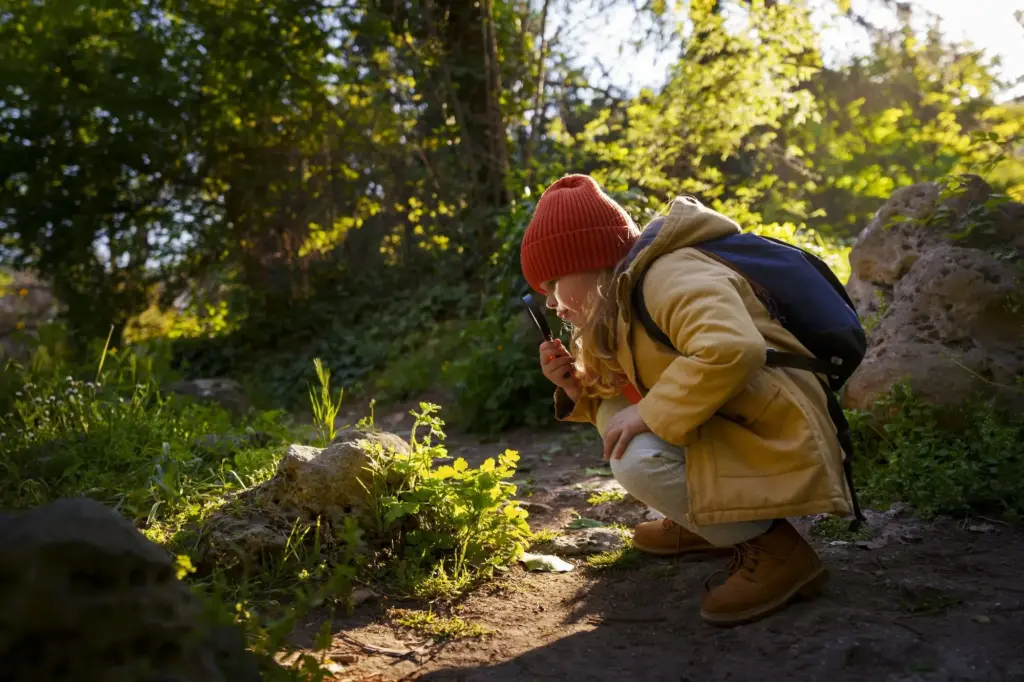
Unsung Contributors
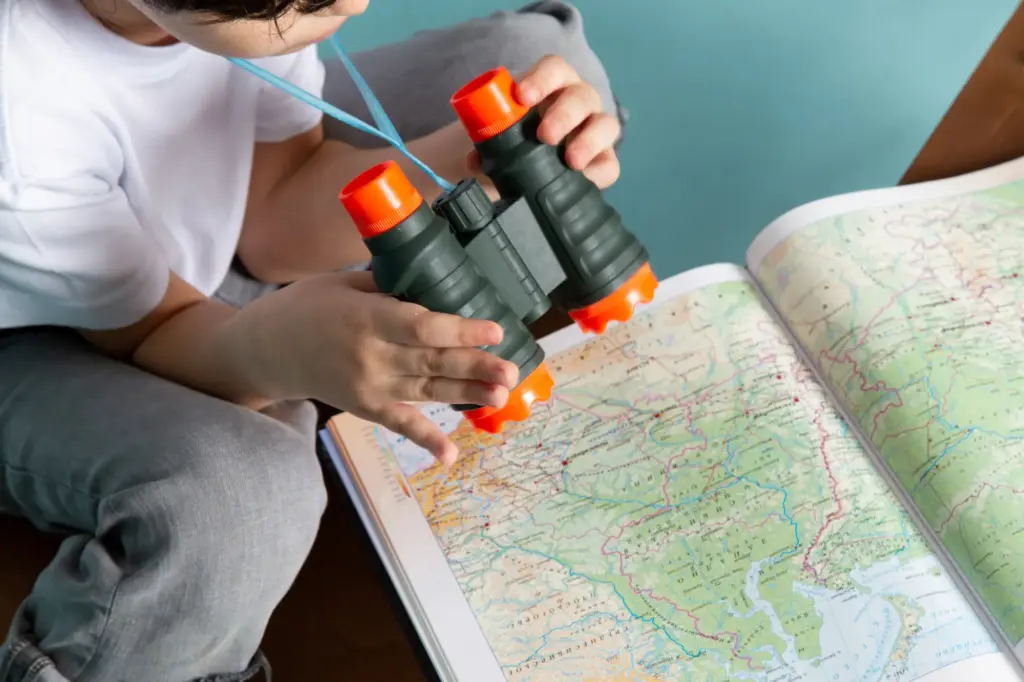
A modest corner plaque might honor a midwife who delivered generations at home, or a porter who established a reading room. Discovering such markers reframes heroism as sustained care, inviting us to celebrate the everyday endurance that knits neighborhoods together stronger than bronze statues ever could.

Contested Memories

Markers sometimes carry wounds: removed names, revised dates, defensive wording. Reading these edits aloud with companions opens conversations about memory, justice, and repair. Rather than silence, we practice thoughtful attention, learning how cities renegotiate stories and how communities push for fuller, fairer recognition across changing generations.

Context Matters: From Single Plaque to Wider Story

Linking to Archives and Newspapers

Newspaper archives add breath and argument: opening-day speeches, letters to editors, advertisements, and obituaries trace how places were received, challenged, and changed. Pair clippings with plaque language to catch omissions and emphases, then annotate your map so future walkers inherit context rather than isolated fragments.

Cartographic Time Travel

Overlay historic maps atop current satellite views to watch shorelines move, rail sidings vanish, and orchards sprout housing. Property parcels, easements, and alley names reveal legal skeletons beneath streets. These alignments prevent nostalgia from fogging analysis, grounding sentiment in verifiable shifts of land, water, and work.

Comparative Reading Across Neighborhoods

Visit similar markers in different districts and compare wording, material quality, and placement. Patterns emerge—who receives bronze, who gets paint, who remains unnamed. Contrasts sharpen your questions and suggest collaborations with neighbors across boundaries, weaving a wider, generous practice of looking that deepens empathy and shared accountability.

Tools of the Trail: Analog Notes and Digital Aids
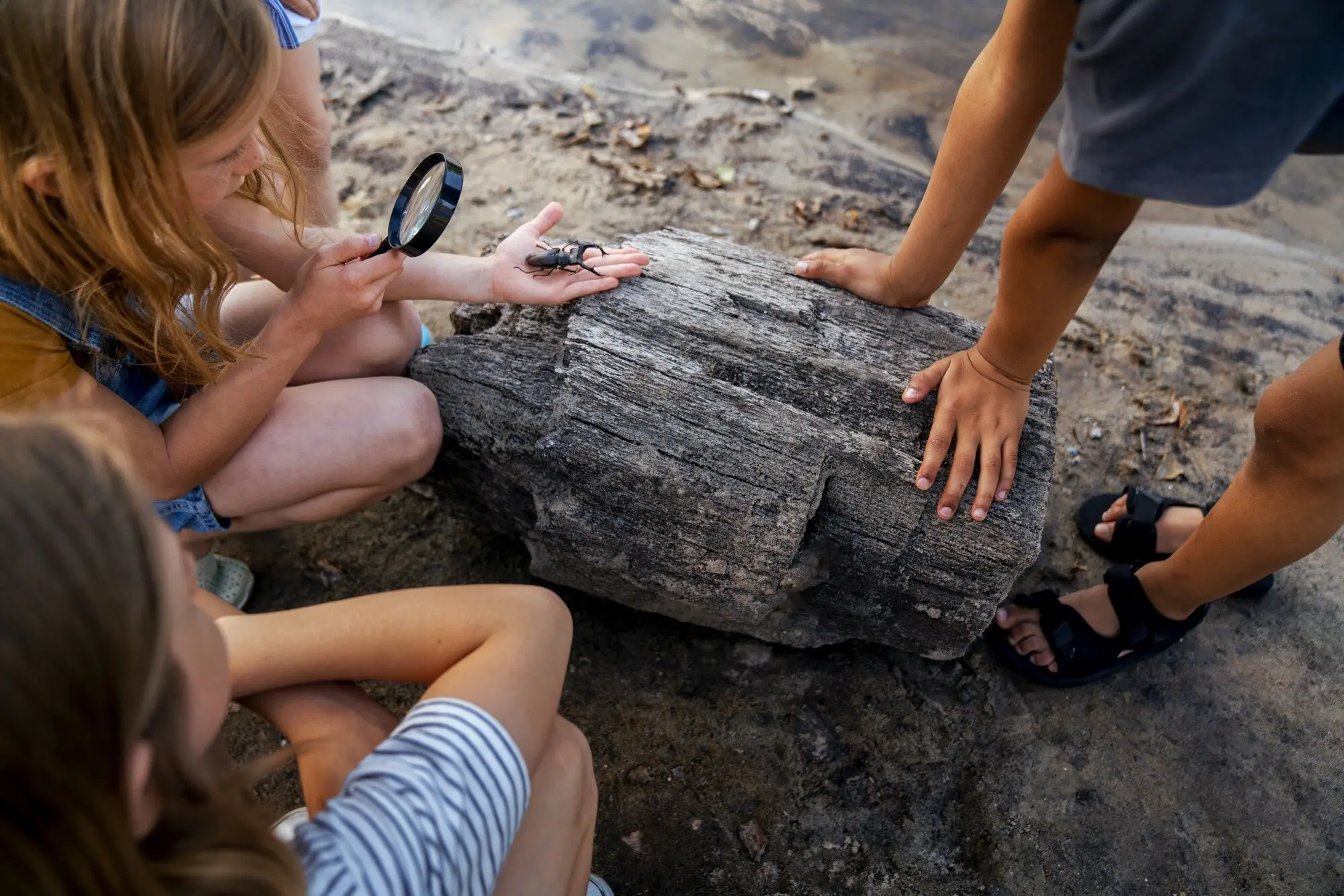
Simple tools keep curiosity nimble. A pocket notebook, soft pencil, and phone camera capture details without fuss, while library cards, open datasets, and annotation apps open doors later. Balancing analog traces with searchable records preserves serendipity and helps you return to each site prepared, respectful, and alert.

Micro-Newsletters and Map Collections
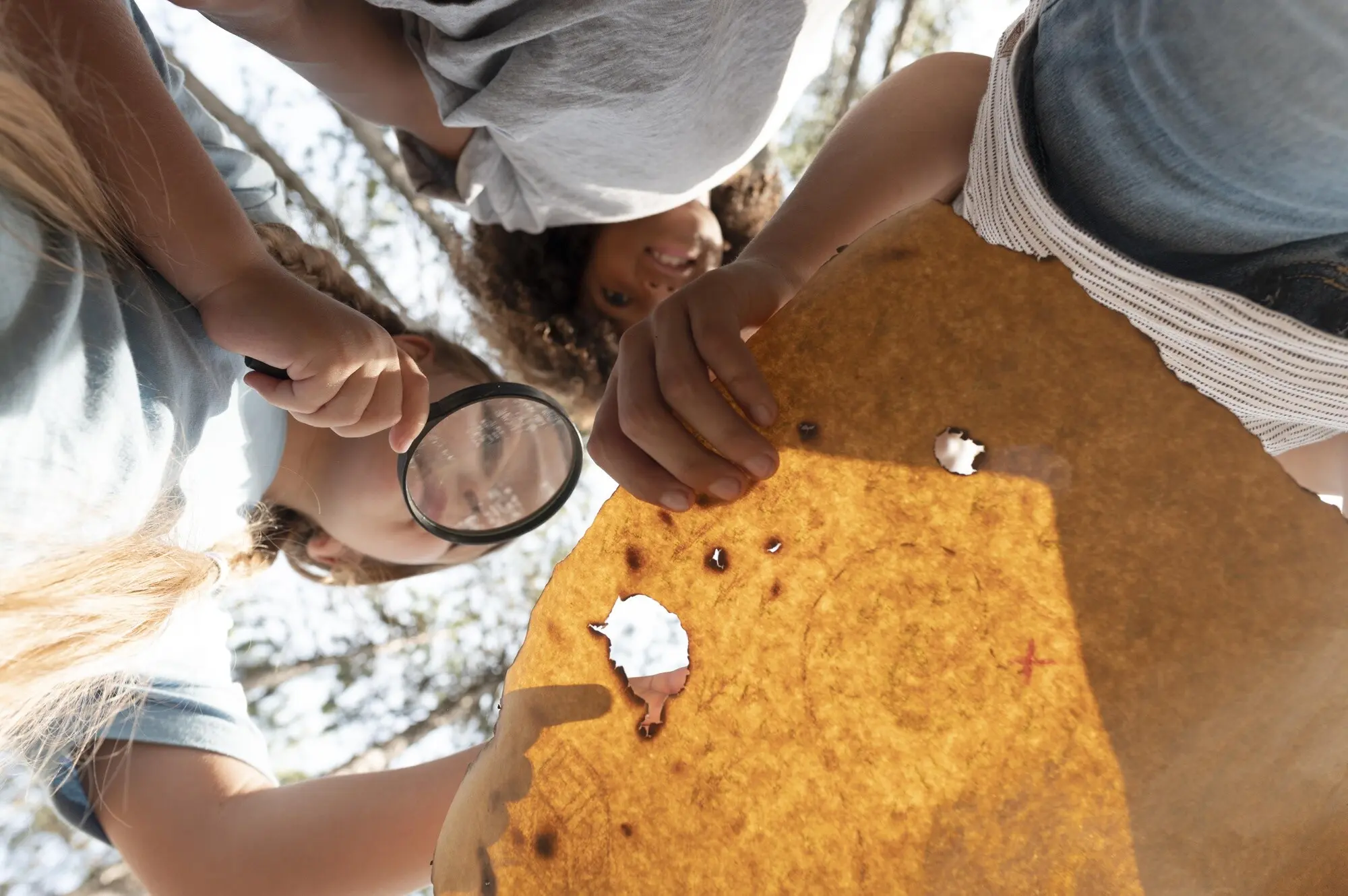
Short, periodic emails can highlight one plaque, one archival nugget, and one walking suggestion. Embed a shared map layer that grows as readers contribute pins and photos. This lightweight cadence keeps interest alive without overwhelm, and establishes a gentle, inclusive rhythm for neighborhood discovery together.

Family and Classroom Adventures

Invite kids, elders, and multilingual neighbors to co-lead short routes. Rotate roles—navigator, notetaker, photographer—so everyone practices different ways of seeing. Classroom projects can adopt nearby markers, weaving science, art, and civics while grounding lessons in streets students already know, love, and can proudly explain to visitors.

Report, Repair, and Stewardship

If you notice damaged plaques, missing screws, or obstructing ivy, tell the relevant office or property owner. Share precise locations, photos, and dates so maintenance is easier. Adopting a block for gentle upkeep turns fleeting curiosity into durable affection, strengthening bonds between residents, institutions, and history keepers.