Open Your Gate to Backyard Biodiversity Safaris

Step outside and join Backyard Biodiversity Safaris: Nature Journaling for Everyday Explorers, where ordinary patios, porches, and garden corners become living classrooms. We will slow down, notice intricate patterns, sketch quickly, measure honestly, and celebrate small discoveries. Bring curiosity, a notebook, and gentle respect for wild neighbors, then return often. Share notes, ask questions, and help build a friendly circle of observers learning together, one leaf, feather, and raindrop at a time.

Packing Your Field Kit at Home

Before the first step onto the grass, assemble a simple, reliable kit that supports careful noticing without fuss. A sturdy notebook, pencils, a waterproof pen, a hand lens, and your phone camera cover most needs. Add sunscreen, water, a kneeling pad, and a small ruler. Prioritize comfort, safety, and minimal impact, so attention stays on the lively details waiting quietly beside the backdoor.

Journal Pages That Invite Curiosity

Set up pages with date, time, location, and weather, then reserve generous space for words, pictures, and numbers. Use prompts like “I notice,” “I wonder,” and “It reminds me of” to guide reflection. Leave boxes for measurements, quick maps, and follow‑up actions. Flexible layouts encourage returning, revising, and discovering patterns across days.

Tools That Earn Their Keep

Choose a 2B pencil for expressive lines, a fine waterproof pen for labels, and a 10× hand lens for tiny structures. Keep a small ruler, zip bags for dry specimens like shed shells or feathers, and a soft brush. Observe respectfully; avoid collecting living creatures, favoring brief, gentle viewing and immediate release when handling is truly necessary.

The Two-Minute Stillness Test

Set a timer, remain motionless for two minutes, and track at least three senses. Note baseline sounds, then the first return of subtle rustles or wingbeats. Document how wildlife behavior shifts as your presence fades. Repeat regularly to build comparative notes that strengthen fieldcraft and attention.

Micro-Transects on the Patio

Stretch a string across a small area and move along slowly, inch by inch. Catalog every leaf, insect, and pattern touching the line. Estimate abundances, count individuals, photograph key markers, and map positions. Repeating the route weekly turns scattered sightings into meaningful trends and humble, satisfying data.

Sound Mapping Your Yard

Draw a circle on the page, mark your position at center, and sketch icons for each distinct sound with arrows for direction and distances. Repeat at dawn and dusk, noting temperature and wind. Over weeks, compare maps to track territories, fledging events, and seasonal arrivals.

Journaling Methods That Turn Moments into Meaning
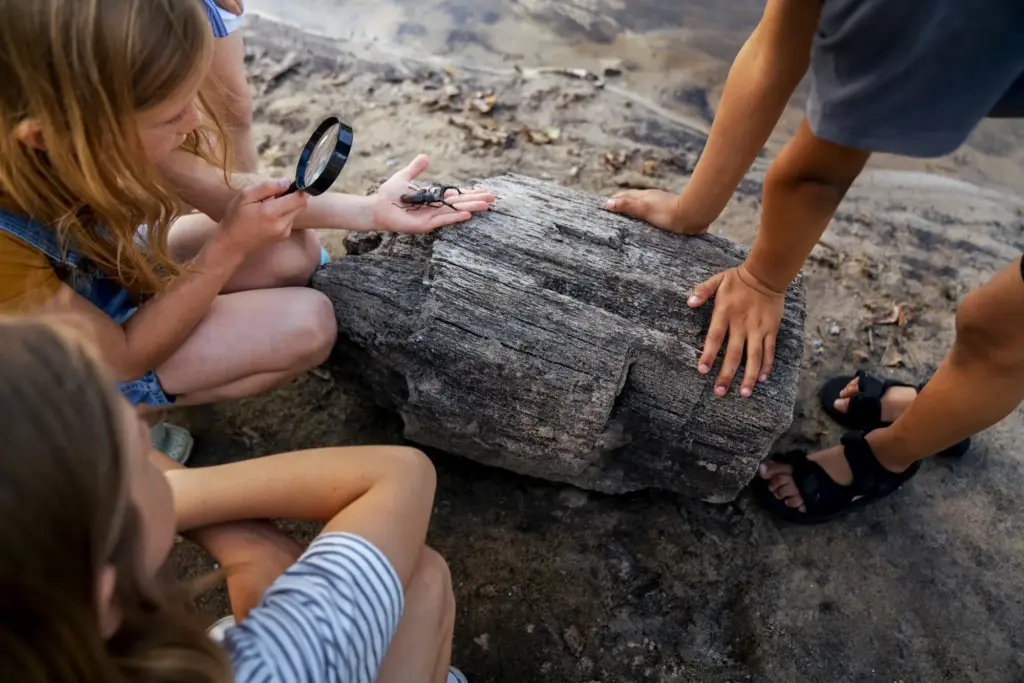
I Notice, I Wonder, It Reminds Me Of

Write three quick lines after each encounter: what is present, what puzzles you, and what connects to prior experiences. These prompts spark hypotheses, direct research, and suggest repeat visits. Curiosity expands naturally when questions are honored on paper and gently revisited later with fresh eyes.

Quick Quantitative Notes

Add humble numbers: counts within a minute, approximate sizes using your finger as scale, simple timings of visits, and wind or cloud estimates using familiar references. Even rough metrics support comparisons across days and seasons, inviting patterns to emerge from memory’s fog into practical clarity.

Sketching Fast and Fearlessly

Practice thirty‑second gestures to capture posture and proportion before details. Use arrows, labels, and scale bars. Embrace imperfect lines that emphasize behavior and relationships. Over time, confidence grows. One day you will sketch a jumping spider mid‑pounce and finally understand how those legs coordinate.

Identifying Life Without Losing Wonder
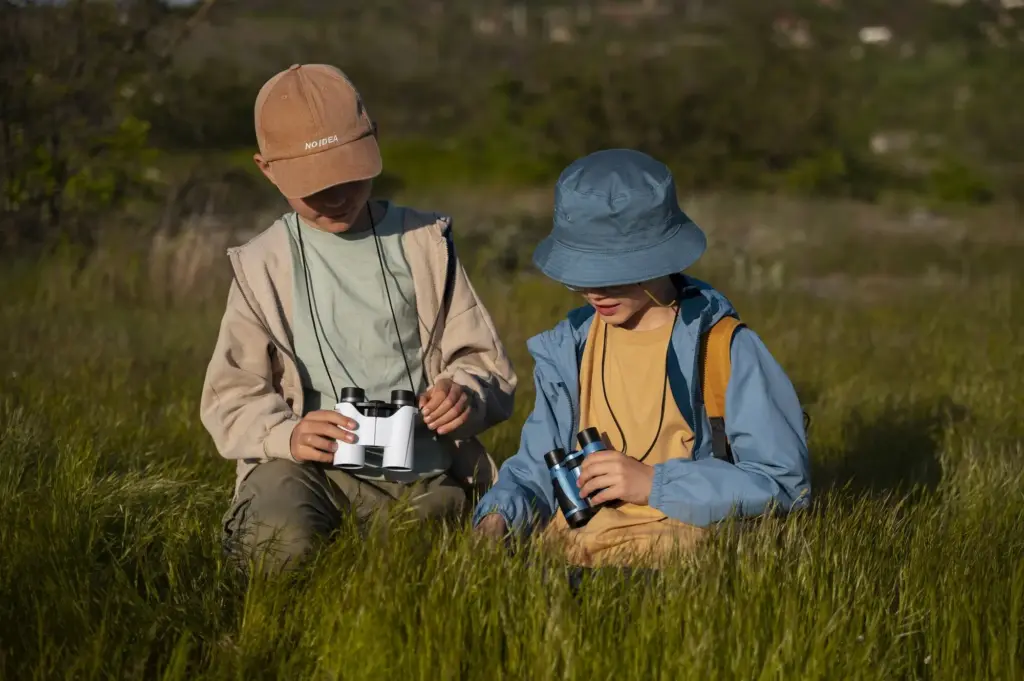
Identification can deepen appreciation when approached gently. Compare field marks, silhouettes, behaviors, and habitats before consulting guides. Use reputable apps, but keep skepticism and verify with multiple sources. Protect sensitive locations with geoprivacy settings. Celebrate uncertainty as part of discovery, and return for better views, clearer photos, or additional clues when patience allows.

Clues in Structure and Behavior

Notice leaf arrangement, flower symmetry, and fruit type in plants; antennae shapes, wing venation, and resting posture in insects; foraging style, tail movement, and song rhythm in birds. Behavioral context often narrows options faster than color alone, guiding careful, testable conclusions without rushing.

Using Community Science Wisely

Contribute observations with date, time, location, and focused photos including a size reference, like a coin or fingertip. Engage kindly with identifiers, ask clarifying questions, and read project guidelines. Obscure exact coordinates for rare species. Thoughtful participation strengthens shared knowledge while respecting organisms and neighbors.

Urban, Suburban, and Rural: Adventures Scaled to Any Space

Wild complexity thrives in planter boxes, alley cracks, hedges, and compost piles. Design activities that fit your setting and schedule. Try balcony nectar stations, sidewalk weed inventories, or hedgerow sit‑spots. Respect property boundaries and privacy. Invite family or neighbors, trade tips in the comments, and celebrate small findings that carry surprising scientific and emotional weight.

Windowbox Safaris

Grow a modest mix of native herbs and observe who visits at noon versus evening. Track aphids, lady beetles, hoverflies, and tiny parasitoid wasps. Keep a phenology calendar for buds, blooms, and seed set. Small containers reveal complete food webs feet from the kettle.

Night Lights and White Sheets

Hang a white sheet, shine a gentle light, and welcome moths, caddisflies, beetles, and curious neighbors. Record lunar phase, temperature, and cloud cover. Photograph visitors from the side to show profiles. End sessions responsibly by switching lights off, minimizing disturbance, and respecting local guidelines or building rules.

Seasons, Patterns, and Stories Over Time

Returning through the seasons reveals hidden narratives: first blooms, migrating songbirds, spider ballooning, leaf miners, and frost tracing veins on fallen leaves. Chart dates, weather, and behaviors to watch cycles shift. Compare with past years and community records. Invite friends to join, subscribe for prompts, and share highlights that inspire others to notice their own turning wheel.

A Year of Firsts

Track the first hummingbird, first firefly, first mushroom after autumn rain, and first hard frost. Plot simple timelines or line graphs to visualize change. Pair dates with feelings and questions. Your calendar becomes both a scientific logbook and a memory album worth revisiting often.

Mini-Experiments with Care

Design gentle tests, like colored paper discs near blossoms to explore bee preferences, timed evenly with minimal disturbance. Record null results alongside exciting ones. Repeat enough times to learn honestly. Always prioritize welfare, obtain permissions when necessary, and retire any setup that seems to stress wildlife.

Passing It On

Invite children, friends, or elders to add sketches and notes. Compile a backyard field guide together, then gift copies to new explorers. Host a porch sharing night, swap identification tips, and celebrate ethical choices. Gratitude, community, and continuity turn small sightings into lasting stewardship.