
Open Your Gate to Backyard Biodiversity Safaris
Packing Your Field Kit at Home
Journal Pages That Invite Curiosity
Set up pages with date, time, location, and weather, then reserve generous space for words, pictures, and numbers. Use prompts like “I notice,” “I wonder,” and “It reminds me of” to guide reflection. Leave boxes for measurements, quick maps, and follow‑up actions. Flexible layouts encourage returning, revising, and discovering patterns across days.
Tools That Earn Their Keep
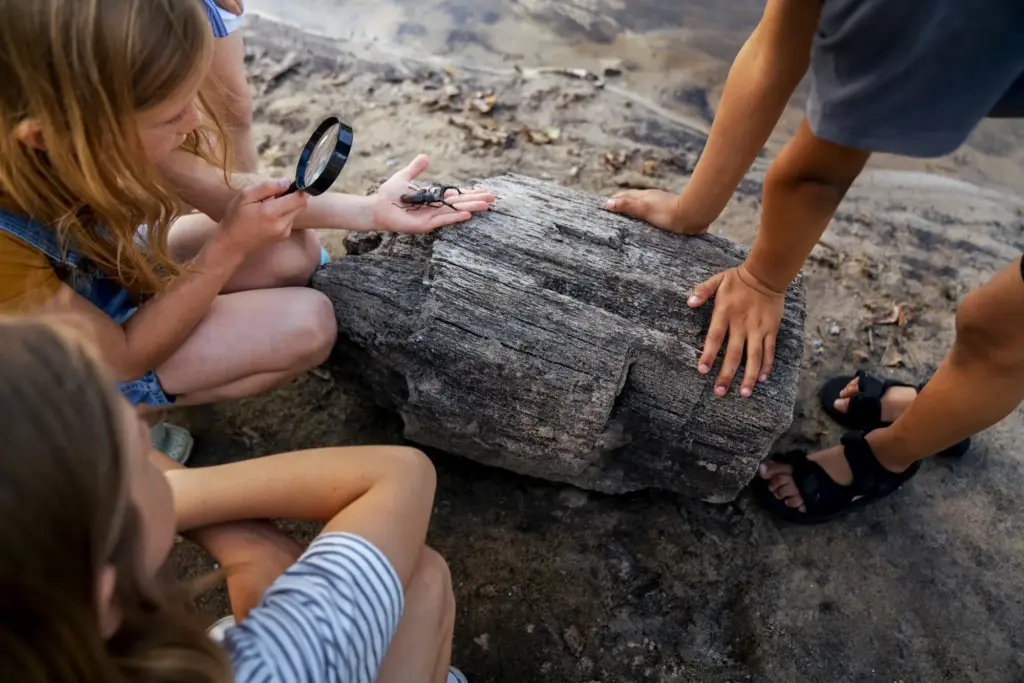
Choose a 2B pencil for expressive lines, a fine waterproof pen for labels, and a 10× hand lens for tiny structures. Keep a small ruler, zip bags for dry specimens like shed shells or feathers, and a soft brush. Observe respectfully; avoid collecting living creatures, favoring brief, gentle viewing and immediate release when handling is truly necessary.

The Two-Minute Stillness Test

Micro-Transects on the Patio

Sound Mapping Your Yard
Journaling Methods That Turn Moments into Meaning
I Notice, I Wonder, It Reminds Me Of
Quick Quantitative Notes
Sketching Fast and Fearlessly
Identifying Life Without Losing Wonder
Clues in Structure and Behavior
Using Community Science Wisely
Urban, Suburban, and Rural: Adventures Scaled to Any Space
Windowbox Safaris
Grow a modest mix of native herbs and observe who visits at noon versus evening. Track aphids, lady beetles, hoverflies, and tiny parasitoid wasps. Keep a phenology calendar for buds, blooms, and seed set. Small containers reveal complete food webs feet from the kettle.
Night Lights and White Sheets
Hang a white sheet, shine a gentle light, and welcome moths, caddisflies, beetles, and curious neighbors. Record lunar phase, temperature, and cloud cover. Photograph visitors from the side to show profiles. End sessions responsibly by switching lights off, minimizing disturbance, and respecting local guidelines or building rules.
Seasons, Patterns, and Stories Over Time
A Year of Firsts
Mini-Experiments with Care
Passing It On
All Rights Reserved.