Step Outside to Discover Magic Around the Corner

We’re diving into Family Curiosity Walks: Playful Neighborhood Challenges for Kids and Parents, inviting you to turn everyday streets into living playgrounds of observation, laughter, and bonding. Expect creative prompts, gentle goals, and joyful discoveries that help children lead, adults listen, and everyone notice small, astonishing details together.

Setting Out Together

Begin with an attitude of shared exploration, not distance covered. When families slow their pace, conversations open, questions bloom, and confidence grows. A short block can hold stories, patterns, wildlife clues, and neighborly connections that feel new every time, especially when kids guide decisions.

Gather Your Crew

Invite siblings, grandparents, neighbors, and even the reluctant teen who claims nothing surprising happens nearby. Establish simple roles—navigator, clue-caller, timekeeper—then rotate them so everyone leads at least once. This tiny ritual builds empathy, patience, and shared pride before your shoes even cross the curb.

Pack a Curiosity Kit

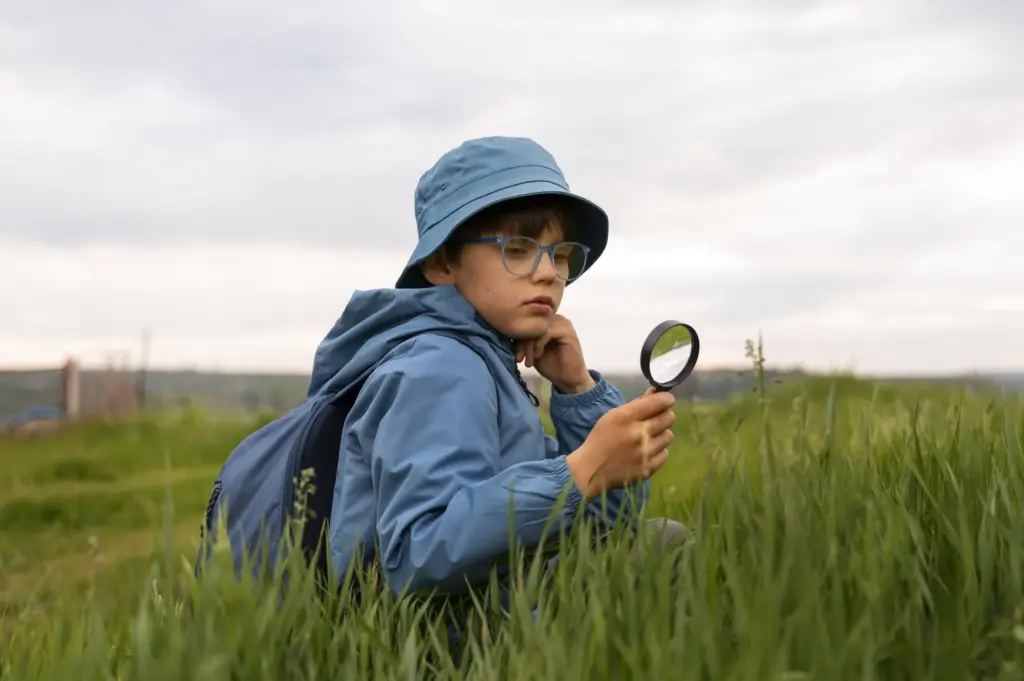
Slip a pocket notebook, pencil, child-safe magnifier, chalk, and a reusable bag into a small sling. Add water, a snack, and bandages for comfort. Tools spark attention, but traveling light keeps momentum playful, flexible, and welcoming for strollers, small legs, and spontaneous detours.

Mapping Wonder on Familiar Streets

Transform ordinary blocks into a living map of questions and tiny victories. By marking observations, families create continuity between outings and notice seasonal rhythms. Children love revisiting a favorite crack or lamppost and realizing it changed, teaching patience, pattern recognition, and gentle scientific thinking.

Challenges That Spark Playful Discovery

{{SECTION_SUBTITLE}}
Color Hunt Relay

Call out unusual shades—mossy green, brick red, cloud silver—and invite kids to tag an object while explaining why it fits. Rotating color leaders empowers younger walkers. Parents can model wonder by occasionally losing, cheering loudly, and noticing subtle tints hiding in shadows or reflections.

Secret Sounds Detective

Everyone closes eyes for ten seconds, counts distinct sounds, and guesses distances. Was that a bicycle bell, a neighbor’s laugh, a skate scratching pavement? Discuss how hard surfaces bounce noise while leaves soften it. Curiosity about acoustics reframes busy streets as layered, musical environments worth exploring.

Safety, Comfort, and Inclusivity on the Go

A successful outing is caring, not daring. Plan pauses, snack breaks, bathroom access, and shaded rest points. Discuss boundaries kindly, make eye contact at crossings, and invite every body and ability to participate. When safety feels shared, curiosity blooms bigger, braver, and more sustainably.

01

Street-Savvy Habits

Practice standing back from curbs, pointing to drivers before crossing, and narrating your decisions aloud. Kids absorb the script: stop, look, listen, wave. Repetition paired with playful tasks keeps vigilance high without fear, creating steady confidence that supports independent walking skills as children grow older.

02

Weather-Ready Plans

Check forecasts together and let children help decide layers, hats, or sunscreen. Light rain invites marvelous puddle physics; bright sun reveals saturated colors and crisp shadows. Naming sensations—cool breeze, warm stone—teaches body awareness and supports autonomy, because prepared walkers enjoy challenges, not discomfort, throughout the journey.

03

Accessibility First

Design routes with ramps, smooth surfaces, frequent benches, and bathrooms. Invite input from wheelchair users, caregivers, and neurodivergent walkers about pacing, noise, and sensory supports. Inclusion deepens everyone’s learning and compassion, proving the best adventures are the ones where each participant’s needs are honored and met.

Turn Finds into Lasting Memories

Collect stories, not souvenirs. By documenting observations through sketches, photos, and short notes, families build a shared archive that rewards patience and repeat visits. Reviewing earlier entries reveals growth in courage, vocabulary, and care for neighbors, plants, and animals that share these everyday spaces.

Sketchbooks and Snapshots

Offer kids the choice between quick drawings and simple photos, then caption together. Focus on relationships—flower to bee, crack to sprout—more than perfect lines. Creativity expands when outcomes are varied and forgiving, inviting less confident artists to experiment and reflect on what caught their eye.

Curiosity Jar at Home

Place a jar near the door and drop in slips describing small wonders after each walk. Reading them later sparks fresh outings and encourages gratitude. Children learn that joy grows by noticing, naming, and sharing, not buying, building steady optimism even during busier or tougher weeks.
Rainy-Day Window Walk
On days you stay inside, stand by a window and repeat favorite challenges using eyes and ears only. Track droplets’ races, identify reflection colors, and listen for delivery trucks or distant gulls. Curiosity training continues gently, proving practice matters more than location when building observation muscles.

Share-and-Cheer Corner

Create a family message board or simple chat where kids post finds, doodles, or short voice notes. Set a weekly ritual of applause and joyful questions. Support grows when everyone’s discoveries are welcomed, inspiring quieter observers to speak up and plan the next collective adventure.